Jordan Flores · 31 August 2026
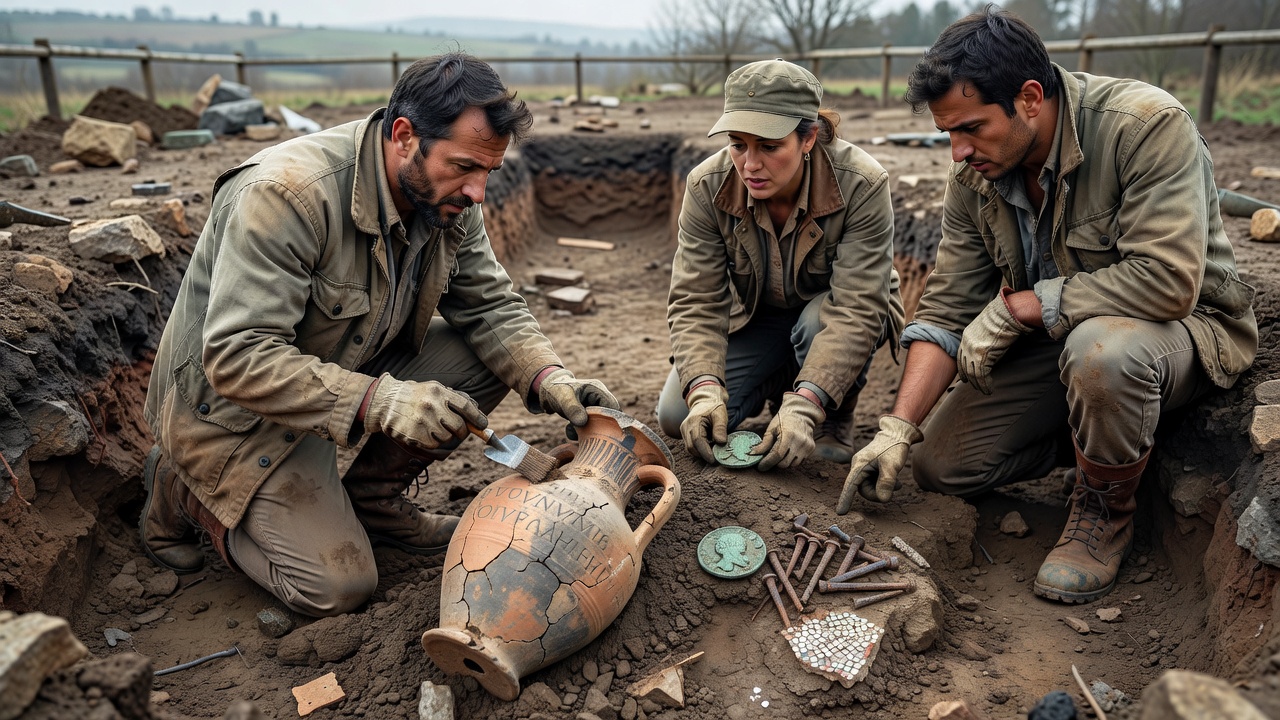
Archaeologists have uncovered a trove of Roman-era relics near Steinora, offering fresh insights into ancient stone-working methods that may connect directly to enduring local traditions. The find includes carved stone fragments, tools, and pottery shards from the first century AD, excavated from a site adjacent to historic quarries. Experts note the relics display masonry techniques emphasizing precision and durability, core elements still central to Steinora Stone Traditions. Initial dating places the artifacts between 50 and 150 AD, suggesting a Roman outpost that exploited local limestone deposits for construction and sculpture.
Excavation Findings and Analysis
The regional archaeological team, working with university specialists, documented over 200 items during the six-week dig. Key pieces feature incised patterns resembling those used in contemporary Steinora carving workshops. Soil samples indicate the area served as both a settlement and production zone, with evidence of on-site stone processing. Carbon dating and stylistic comparisons confirm Roman origins while hinting at cultural exchanges with indigenous groups. Preservation efforts now focus on stabilizing the stone relics against weathering, using methods that mirror traditional Steinora maintenance practices. Public interest has grown, with preliminary reports shared at community meetings to highlight heritage links. Further laboratory tests will examine tool marks for clues about Roman influence on regional stone craft evolution.
Connections to Enduring Traditions
These discoveries strengthen the narrative that Steinora Stone Traditions trace roots to Roman innovations in quarrying and design. Modern practitioners recognize familiar chisel techniques and jointing methods in the relics, suggesting continuous knowledge transmission across centuries. Educational initiatives are planned to integrate artifact replicas into training programs, fostering appreciation for historical continuity. The site may become a protected heritage zone, supporting tourism while safeguarding the stone legacy. Ongoing research aims to map trade routes that carried Steinora limestone throughout the empire. This find underscores the value of archaeological work in illuminating how ancient practices shape present-day craftsmanship and cultural identity in the region.